Physical Address
304 North Cardinal St.
Dorchester Center, MA 02124
Physical Address
304 North Cardinal St.
Dorchester Center, MA 02124

This article is designed so that you can scroll through and find your specific issue, pin point the problem then I will direct you to your specific solution.
If you already know your problem you can skip to it below.
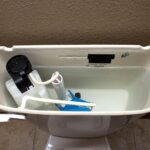
Take the lid off the tank, lift the lid on the bowl and press the handle.
Watch what happens inside the tank and in the bowl.
The problem is probably somewhere between the handle and the flush valve.
Check the handle, trip lever, and chain.
The problem is likely with the chain adjustment, flapper, or flush valve.
Stop flushing.
You are probably dealing with a clogged toilet.
That’s a different problem from a completely clogged toilet.
Look for a weak flush, low tank water, a flapper that isn’t staying open long enough, blocked rim holes, or a partial obstruction.
The toilet may have a fill-valve or water-level problem rather than a flushing problem.
That first observation is important. A toilet that won’t flush and a toilet that won’t fill can look like the same problem if you aren’t watching what happens inside the tank.
This is one of the easiest problems to identify.
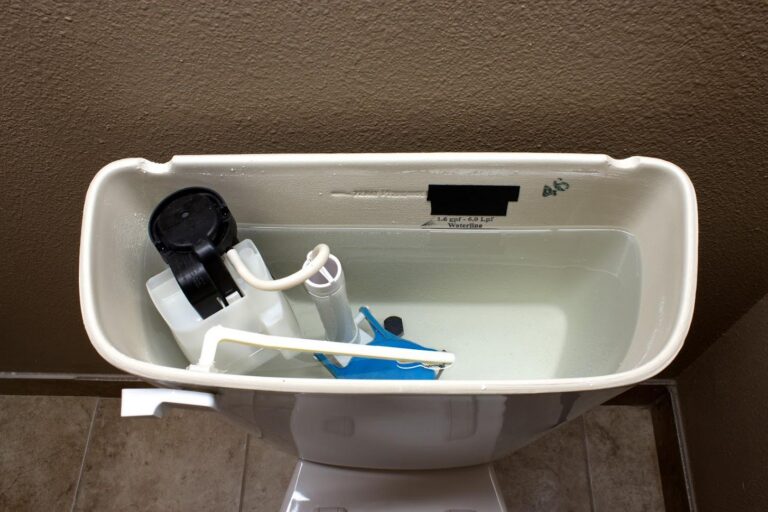
Take the tank lid off and press the handle while watching the mechanism.
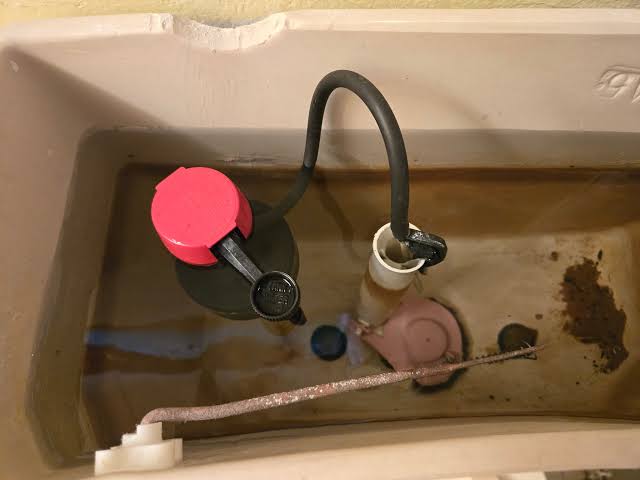
On a traditional toilet, the handle moves a lever. The lever pulls a chain or other linkage, which lifts the flapper or flush valve.
If you press the handle and nothing inside the tank moves, the problem is probably in that mechanism.
Does the handle feel unusually loose?
Does it move freely without moving the lever inside the tank?
If the long lever arm inside the toilet is not moving with the handle then it has either broken off or has been disconnected.
See if you can reconnect the handle to the lever arm, this should solve your issue.
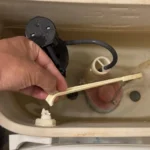
At the end of the lever is chain that connects to the flapper in the bottom of the tank.
If that chain is disconnected or too long then your toilet will not flush.
The chain should not have any slack in it. It should be just long enough so that the flapper can close all the way.
If you flush the toilet and the lever arm moves but the chain is too long to lift the flapper then make the necessary adjustments to the chain.
If the flush valve opens and the tank dumps water into the bowl, you’ve already ruled out most of the mechanism inside the tank.
Now watch the bowl.
You probably have a clog.
Stop flushing.
Don’t flush it three more times just to make sure. The toilet has already given you the answer.
It is clogged.
That can also indicate a partial clog.
A partial obstruction can be particularly confusing because the toilet may eventually drain and appear to work, but the next flush is weak or causes the bowl to rise again.
But, if the water in the bowl rises when you flush and then the toilet slowly drains, then you most definitely have a clogged toilet.
A weak flush can be a partial clog, but it is not always.
If the bowl drains normally but the toilet doesn’t clear the contents, watch the next flush carefully.
Look inside the tank for the manufacturer’s water-level mark.
If the water does not fill to the marked level, the toilet may not have enough water for its normal flush. Keep in mind that you just flushed the toilet, so give it a minute to fill again.
I wouldn’t use a universal measurement here. Different toilets and fill valves have different requirements, but generally the water level should be within an inch or two of the overflow spout.
→ [How to Replace a Toilet Flapper]
When you press the handle, does the flapper open fully?
Does it close almost immediately?
A flapper that closes too quickly can prevent the toilet from releasing enough water for a proper flush.
→ [How to Replace a Toilet Flapper]
A weak stream of water around the bowl can point toward blocked rim holes or a problem with the toilet’s siphon jet.
Mineral buildup can restrict those passages over time.
→ [How to Clean Clogged Toilet Rim Jets]
If the toilet drains but doesn’t flush with its normal force, don’t rule out a partial obstruction.
Unclogging a toilet is quick and easy so even if it doesn’t work its usually worth a try anyway.
→ [How to Replace a Toilet Flapper]
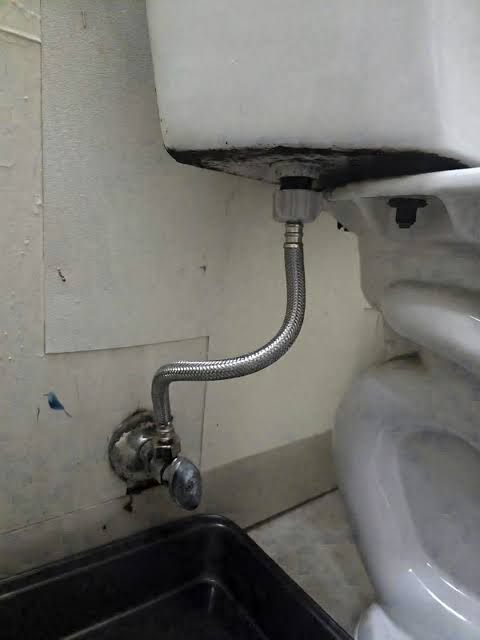
If the tank is full, you know the toilet is receiving water.
Now press the handle and watch the flush valve.
If it doesn’t, go back to the handle, lever, and chain above.
If it does, but the bowl doesn’t drain, you’re probably dealing with a blockage rather than a tank problem.
If the toilet flushes normally when you manually lift the flapper, the problem is probably with the handle or linkage.
If the bowl immediately starts rising, and does not flush. You’ve likely found a drain problem.
Is the toilet failing to release the water, or is it failing to drain the water?
→ How to Fix a Toilet Handle and Linkage
If you have to hold the handle down for the entire flush, don’t automatically replace the whole flush mechanism.
Watch the flapper.
If the flapper falls closed almost immediately when you release the handle, the chain adjustment or flapper are most likely the issue.
Try playing with the chain adjustment to see if you can resolve the issue. If you can’t then you may need to replace the toilet flapper.
→ [How to Replace a Toilet Flapper]
Watch the toilet through the entire cycle.
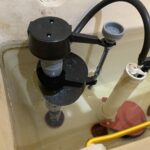
If the tank fills normally but the bowl remains too low, look inside the tank for the small refill tube.
The refill tube sends water into the bowl while the tank is filling.
If the tank is filling but the bowl isn’t getting its normal amount of water, the problem may be with the refill tube, the fill valve, or the incoming water pressure.
→ [How to Replace a Toilet Flapper]
If you have a toilet that simply will not stop clogging no matter what you do there are few common causes.
It is very likely that you have a partial obstruction. If a toilet has a pattern of reclogging after being unclogged then it is likely that there is build up on or around the toilet drain that is catching particles and causing your clogs.
The solution to removing toilet drain buildup is more intensive and significantly more filthy so a plumber would be better equipped to handle this issue. If the toilet drain has substantial build up then it is highly likely that there is buildup throughout the entire length of your pipes.
I would stop and call a plumber if:
A clogged toilet is one thing. A drainage problem affecting half the house is something else entirely.