Physical Address
304 North Cardinal St.
Dorchester Center, MA 02124
Physical Address
304 North Cardinal St.
Dorchester Center, MA 02124

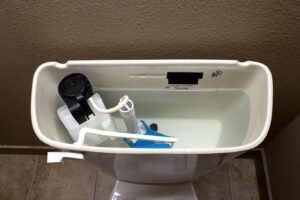
There are several different reasons a toilet won’t fill and luckily almost any toilet issue can be repaired by almost any home owner.
The first thing you need to do is watch where the water goes.
Is no water getting into the tank? Is it coming in slowly? Is the tank filling but never reaching the normal level? Is the tank full but the bowl isn’t getting enough water?
Those are different problems, and they don’t all call for the same solution.
Scroll through this article and look for your specific problem, or click below if you already know your problem.
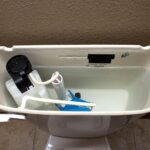
Lift the lid of the toilet bowl and take the lid off the tank behind it.
Flush the toilet and hold the hand or button down to let the water level in the tank drop.
Watch the toilet refill from beginning to end and decide which of these best describes what you’re seeing:
No water enters the tank.
Start with the shutoff valve and supply line, then work your way toward the fill valve.
Water enters, but the tank fills very slowly.
Look for a restriction in the shutoff valve, supply line, or fill valve.
Water enters the tank, but the water level never gets to normal.
The tank may be losing water through the flapper or flush valve while it is trying to fill.
The tank reaches the normal level, but water keeps running.
The fill valve may not be shutting off, or water may be leaking out of the tank.
The tank fills normally, but the bowl doesn’t refill properly.
Look at the refill tube and the way water is being sent back into the bowl.
That first observation will usually tell you where to start.
If you flush the toilet and nothing comes out of the fill valve, start outside the tank.
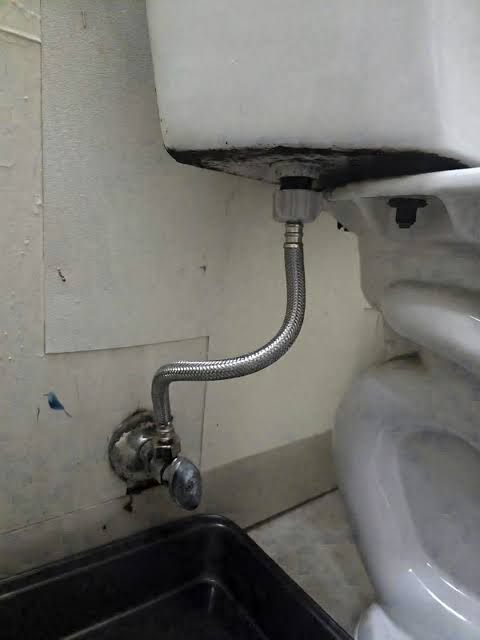
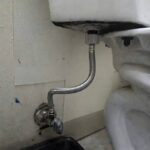
Look at the water shutoff valve behind or beside the toilet.
Make sure it is open.
This is especially worth checking if someone recently worked on the toilet, replaced the supply line, cleaned behind the toilet, or shut the water off for another reason.
If the valve is stuck, don’t force it.
A stuck shutoff valve can turn a simple toilet problem into a leaking shutoff valve, which is a considerably messier.
If the valve is stuck, jammed, or stuck in the closed position then you have found your problem and should follow my How to Replace a Toilet Shutoff Valve guide.
Follow the flexible supply line from the shutoff valve to the bottom of the toilet tank.
Look for:
Any of these will prevent water from reaching your tank.
When in doubt you can close the water shutoff valve and disconnect the water line from the toilet. Now if you slowly open the shut off valve water will spray out of the line. This will tell you for certain if your water line is blocked. This will also make a tremendous mess if your shutoff valve doesn’t work properly, so buyers beware.
If your water line works as intended then continue on.
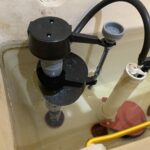
Flush the toilet again and watch the fill valve.
If the valve doesn’t open and no water enters the tank, the fill valve may be stuck, clogged, or failed.
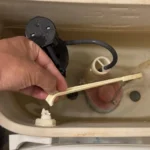
You can try jiggling the valve loose by moving the float up and down and exercising the valve inside. This may clear some of the debris and fix your issue. If it does not, then follow my guide below to Replace the Valve.
If this is what you’re seeing:
→ [How to Replace a Toilet Fill Valve]
If you can see water entering the tank but it takes several minutes to fill, you’re probably dealing with a restriction somewhere between the house plumbing and the inside of the toilet.
Start with the easiest things.
Make sure it is fully open.
A partially closed valve can restrict the flow enough to make the toilet take much longer to refill.
If the valve is stuck, jammed, or stuck in the closed position then you have found your problem and should follow my How to Replace a Toilet Shutoff Valve guide.
Look for kinks, crushing, or anything else restricting the hose.
When in doubt you can close the water shutoff valve and disconnect the water line from the toilet. Now if you slowly open the shut off valve water will spray out of the line. This will tell you for certain if your water line is blocked. This will also make a tremendous mess if your shutoff valve doesn’t work properly, so buyers beware.
If the supply line passes your test then continue on.
Pay attention to how much water is coming through the valve.
A weak stream accompanied by hissing, whistling, or unusual noises can point toward a restricted or failing fill valve.
Sediment and mineral buildup can restrict the inlet of some fill valves. If you know that your home has particularly hard water and the toilet is old then it may be scale buildup inside of the fill valve that is restricting flow.
Dirty water in the toilet tank is a clear sign of a potential clogged fill valve. There should be no sediment at the bottom of the tank.
If the supply to the toilet is good but only a small amount of water is making it through the fill valve, the fill valve becomes the likely suspect.
You can try jiggling the valve loose by moving the float up and down and exercising the valve inside. This may clear some of the debris and fix your issue. If it does not, then follow my guide below to Replace the Valve.
If this is what you’re seeing:
→ [How to Replace a Toilet Fill Valve]
This is where I want to find out whether the tank is losing water while it is trying to fill.
Watch the water level.
If water is clearly entering the tank but the level never reaches where it normally stops, look for water leaving the tank through the flush valve.
The fill valve is a common problem for toilets and its possible you could have two problems at once so it is best to rule it out before moving on with the other tests.
If water is entering your tank when the float is down, and stops when the float is up then the fill valve is working as intended.
If the water does not enter the tank or does not stop running when the float is lifted then you have a fill valve issue and should follow my “How to Replace a Toilet Fill Valve” guide as well as the rest of this diagnosis.
If water is continuously leaking from the tank into the bowl, the toilet may have a bad flapper or flush-valve seal.
This will usually be easy enough to see, but for added certainty you can check for this with a simple dye test.
Put a few drops of food coloring into the tank and wait a couple minutes. If the valve is leaking then you will see the dyed water running down the sides of the bowl.
Flush the toilet afterward so the dye doesn’t sit in the tank.
Remember that it is possible to have two problems at once. If the dye is barely escaping into the toilet or if there is barely a trickle of water running into the bowl your fill valve is likely also an issue and you should follow Diagnosis #2 as well.
If this is what you’re seeing:
→ [How to Replace a Toilet Fill Valve]
→ [How to Replace a Toilet Flapper]
If the tank reaches its normal water level but you can still hear water running, watch where the water is going.
There are two common possibilities: the fill valve isn’t shutting off properly, or water is escaping through the flush valve.
If the water level continues rising and water is going into the overflow tube, the fill valve or its adjustment deserves attention.
If the water level is below the overflow tube but keeps dropping, the tank may be leaking through the flapper or flush valve. The fill valve then turns back on to replace the water that was lost.
If this is what you’re seeing:
→ [How to Replace a Toilet Fill Valve]
→ [How to Replace a Toilet Flapper]
There are other versions of toilet valves out there, but unless you are in a custom home it is most likely that you have the same toilet system I have been diagnosing in this article.
I mention this because some toilets have a dedicated bowl fill line. If yours does then this part may be different for you, but most likely you are dealing with a typical gravity flush toilet with a flapper
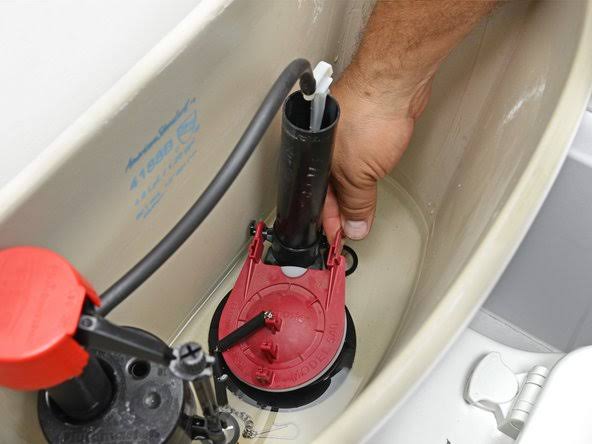
Look in your toilet tank and you should see a flapper with a chain or cord of some sort that rises up to an arm. The filling of the toilet is controlled by how fast that flapper comes down.
So, if you would like your toilet to fill more between flushes then you should shorten that chain or link. You should not cut the chain, there is almost certainly a way to adjust the chain. Beware however that shortening the chain too much can cause the toilet to fail to stop filling.
Its important to know that toilets are designed with a max fill level and you will not be able to raise the water level above that with simple adjustments.
If you’re still not sure whether the problem is inside the toilet or somewhere before it, you can test the supply separately.
I don’t start with this test because it makes a mess, but it can be useful when the problem isn’t obvious.
Do not do this if the shutoff valve is stuck, leaking, or won’t reliably shut the water off.
If the water sprays out the end of the connection then you know for certain that you have water pressure and flow into the toilet.
Pay attention to whether the toilet is the only fixture having a problem.
If the kitchen sink, bathroom sink, shower, and other toilets all suddenly have weak water flow, don’t assume you have several bad toilet fill valves.
There may be a larger water-supply problem.
If everything else in the house has normal water pressure and one toilet is filling slowly, I would stay focused on that toilet.
If the whole house has suddenly lost pressure, that’s a different problem that likely requires a licensed Plumber.
I would stop and call a plumber if:
The toilet itself is usually not complicated. The plumbing feeding it is where a small problem can become an expensive one.
This is easier than it sounds. I believe in you.
If the tank is empty it is either the supply or the fill valve.
If the tank will not stay full after closing the shutoff valve and leaving it alone for a while then you have a leaking flapper.
Exercise the float arm, make sure everything inside the tank moves freely. Doing this alone may solve any issues caused by a clog or light scaling.