Physical Address
304 North Cardinal St.
Dorchester Center, MA 02124
Physical Address
304 North Cardinal St.
Dorchester Center, MA 02124

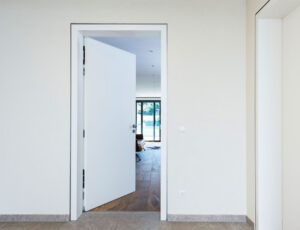
A sagging door is one of those problems that looks worse than it usually is. If your door is rubbing against the frame, scraping the floor, hitting the top corner, or refusing to latch, you probably don’t need a new door.
In most cases, I start with the hinges. Loose hinge screws, stripped screw holes, or a hinge that has moved slightly out of position can be enough to throw the whole door out of alignment. I’ll show you how I diagnose the problem and fix it, starting with the simplest solution before moving on to more involved repairs.
For the method I use, I typically gather:
A small level can also be useful, but I usually diagnose a door by watching how it moves and looking at the gaps around the frame.
Before you start tightening screws, figure out what is actually causing the problem.
The first question I ask the home owner is “When did this start?” If the door has always sagged or not closed smoothly then it is highly likely that it was installed incorrectly. This is an entirely different problem.
If this is has not always been a problem, Slowly close the door and watch where it makes contact with the frame. Look at the gap between the door and the frame on the hinge side and latch side.
If the door has dropped toward the latch side, you may notice the top corner of the door hitting the frame or the latch no longer lining up with the strike plate. This is the most common situation.
If the door is striking the door frame at the bottom latch corner then it is likely an installation issue or a damaged hinge.
Now check the hinge screws. If several of them are loose, especially on the top hinge, you may have already found your problem.
Not every door that sticks is necessarily sagging. The door frame can move, hinges can bend, or a hinge can become loose enough to throw the whole door out of alignment. Take a minute to figure out what is moving before you start making repairs.
Start with the top hinge.
Open the door and tighten each screw on the hinge, then work your way down to the lower hinges. Don’t just crank down on the screws as hard as you can. Tighten them firmly and check the door afterward.
If the door is heavy, having someone lift slightly on the latch side while you tighten the screws can help bring the door back into position.
Close the door and see what changed.
If the door is now sitting correctly and the latch lines up, congratulations. You just fixed your door with a screwdriver.
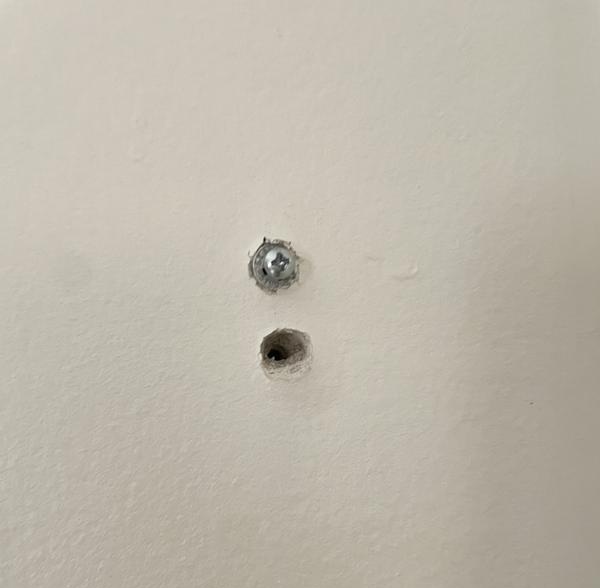
If a screw spins endlessly without getting tight, that’s a different problem. The wood inside the screw hole is probably stripped out.
If the hinge screws are tight but the door is still sagging, I like to replace one of the screws in the top hinge with a longer screw. Honestly this is something I do regardless because it is a cheap way to significantly improve the quality of the installation.
The screws supplied with some doors and hinges are relatively short and may only be holding into the wood of the door jamb. A longer screw can pass through the jamb and get into the framing behind it, giving the hinge a much stronger attachment point.
I typically use a 2½- or 3-inch screw, depending on the construction and how much material I need to pass through.
Remove one of the jamb-side screws from the top hinge and replace it with the longer screw. Drive it in gradually while watching the gap around the door.
This is one of those repairs where you can actually watch the door move as you tighten the screw. If the door starts moving back into alignment, you’ve probably found the problem.
Don’t just bury the screw as far as your drill will take it. Overtightening can pull the door jamb out of position, which can create another alignment problem.
Once the door is sitting correctly, check the other screws and close the door several times to make sure the repair holds.
If a hinge screw won’t tighten because the hole is stripped out, simply installing a bigger screw may work for a little bit, but it will end up stripping out a bigger hole over time.
For a small damaged hole, I like to remove the screw, put a little wood glue into the hole, and pack it with wooden material such as toothpicks or thin wood splints. Break or cut the material flush with the surface, allow the glue to set, and then reinstall the hinge screw. This can be done without the wood glue, but I would highly recommend it.
For a larger damaged hole, a small wood dowel can provide a more substantial repair. Drill the stripped hole out to a common wood dowel size, coat the hole with wood glue and hammer in the wooden dowel. A wooden dowel with wood glue would the be “correct” way to do it, but many homeowners can make do with toothpicks.
The idea is to give the screw some solid wood to bite into again. You’re essentially rebuilding the damaged part of the screw hole rather than asking a larger screw to hold onto the same damaged wood.
If the hinge is badly torn out of the jamb, that’s a different repair and may require a more substantial piece of wood or jamb repair.
If tightening and repairing the screws didn’t solve the problem, take a closer look at the hinges themselves.
Make sure the hinge leaves are sitting flat and that the hinge isn’t bent or damaged. Also check that the hinge is sitting properly in its mortise and hasn’t become loose or pulled away from the wood.
A damaged or undersized hinge may need to be replaced.
If the door has been installed incorrectly or one hinge is sitting significantly deeper or shallower than the others, the hinge position itself may be causing the door to bind.
This is where I stop treating the problem as simply “a sagging door” and start looking at the entire door installation.
A thin shim behind a hinge can sometimes be used to adjust the position of the door.
They make dedicated door shims, I have tried using makeshift shims and they never work well. Save the headache and buy the door shims, they cost less than $5. The exact placement and thickness depends on which direction you need to move the door.
I consider this more of an alignment technique than a fix for a loose hinge. If the real problem is that the hinge screws are pulling out of the jamb, putting a shim behind the hinge isn’t going to magically make the screws hold.
The most common mistakes I see with sagging doors are pretty simple:
Also, don’t remove all the hinge screws at once unless you have the door properly supported. A solid-core or exterior door can be surprisingly heavy when it decides to fall.
A basic hinge adjustment is a reasonable DIY project. I would be more cautious if you’re dealing with a very heavy exterior or security door, a damaged door jamb, rotten framing, significant movement in the wall, or a frame that is substantially out of square.
If the hinge side of the frame is damaged or the door requires structural reframing, you’re no longer dealing with a simple hinge adjustment.
That’s usually where I would stop trying to solve the problem with progressively larger screws and figure out what is actually moving.
And finally, If the door frame was installed incorrectly there is no amount of shimming that can fix this problem. The frame needs to be rebuilt. This is uncommon but may occur in new construction after the home has had a change to settle and acclimate. Its possible the frame shifted in place.
The first thing I would emphasize is check the hinges before doing anything else.
A door that suddenly starts rubbing or won’t latch is often telling you that something has moved. Don’t immediately assume the door itself is the problem. Check the screws, hinges, jamb, and alignment first.
I also pay particular attention to the top hinge. It carries a lot of the door’s load, and a loose top hinge can cause the entire door to move out of alignment.
If the screws are tight but the door still sags, try one longer screw in the top hinge before doing anything more complicated. Sometimes one properly placed screw into the framing is all it takes.
When you’re tightening that screw, go slowly. You can actually watch the gap around the door change as the jamb pulls into position. Don’t just run the screw in until the drill stops. That’s how you turn a sagging door into a door with a bent jamb.
If a screw spins without tightening, stop. Don’t keep spinning it and hope something magical happens. The wood is stripped, and you need to repair the hole.
Finally, if you fix the hinge and the door still doesn’t line up, don’t immediately assume the hinge repair failed. Look at the frame, the strike plate, and the door itself. There are several different reasons a door can refuse to close, and they don’t all involve sagging.
My preferred method is to tighten the existing hinge screws first, then use a longer screw through the top hinge if necessary. If the screw holes are stripped, I repair the wood rather than simply using a larger screw. It’s simple, inexpensive, and fixes the actual cause of the problem instead of covering it up.