Physical Address
304 North Cardinal St.
Dorchester Center, MA 02124
Physical Address
304 North Cardinal St.
Dorchester Center, MA 02124

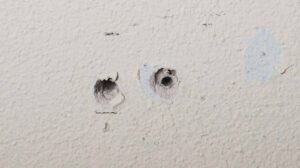
Small drywall anchor holes are about as easy as drywall repairs get. Most of the time, you don’t need a drywall patch or any extra tools. Remove the anchor, fill the hole with spackle, sand it smooth, and touch up the paint.
The part that can turn this into a bigger repair is removing the anchor. If you start pulling on an anchor that doesn’t want to come out, you can easily make a small hole considerably larger. I’ll show you the way I usually handle these repairs and what I do when the anchor decides it wants to stay in the wall.
This largely depends on you. The only thing you will absolutely need is Lightweight spackling, the rest is just nice to have.
That’s about it. You don’t need a full drywall repair kit to fix a few holes left by a picture frame.
The first thing I do is figure out what kind of anchor I’m dealing with.
If it’s a plastic expansion anchor, grab it with a pair of pliers and pull it out if it comes out easily.
If it’s a screw-in drywall anchor, back it out with a screwdriver. If the head is damaged or the anchor won’t come out cleanly, you can usually grab it with pliers.
Molly bolts and other hollow-wall anchors can be a little more annoying. The exact removal method depends on the anchor, but the goal is the same: get the hardware out without tearing up the drywall around it.
Toggle bolts are a little different. When you remove the bolt, the toggle may fall into the wall. That’s fine. I wouldn’t cut a bigger hole in perfectly good drywall just to retrieve a piece of metal that is now sitting somewhere behind the wall.
This is probably the most important part of the whole repair.
If the anchor won’t come out without tearing up the drywall, stop pulling on it.
You can sometimes push the anchor slightly below the surface of the drywall and patch over it instead. The goal is to repair the wall, not prove that you can defeat a piece of plastic.
If removing the anchor is making the hole worse, you’re going in the wrong direction.
Once the anchor is out or recessed, clean up the area.
Remove any loose pieces of drywall paper and scrape away anything sticking above the surface. If the drywall around the hole is raised, gently press it back down.
You want a reasonably flat, solid surface before applying the spackle.
Don’t start cutting the hole bigger just because it isn’t perfectly round. There isn’t much benefit to turning a small anchor hole into a bigger drywall repair.
For a normal anchor hole, I prefer lightweight spackling.
Use a small putty knife to press the spackle into the hole, then scrape off the excess. You want to fill the hole completely without leaving a big mound of material sticking out of the wall.
If the hole is deeper than it looks, let the first application dry, then add another thin coat.
Spackle, mud, and drywall compound all work best with several thin layers that are allowed to dry before adding the next. The compounds shrink and will crack if the initial application is too thick.
For most small holes, that’s all the drywall repair you need.
Once the spackle is completely dry, lightly sand the repair with a fine-grit sanding sponge until it is flush with the wall. Wipe the dust away with a damp rag before painting.
For small repairs you can probably skip the sanding by taking care during Step 3.
Paint over the repaired area with matching paint.
If you have the original paint, this is pretty straightforward. If you don’t, matching the paint can actually be more difficult than filling the hole.
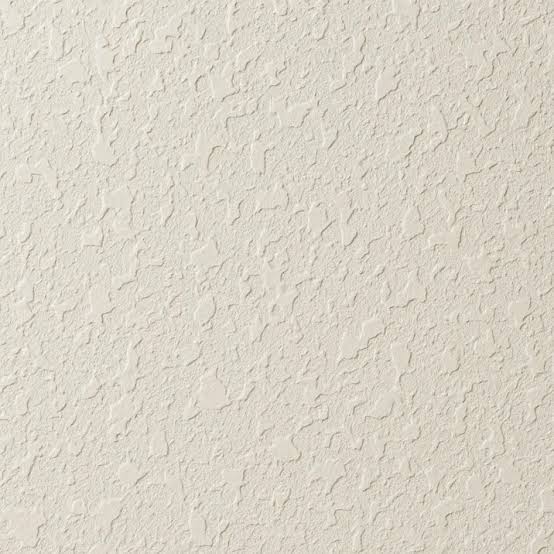
A perfectly filled hole can still stand out if the paint doesn’t match, especially on an older wall or one with a textured finish.
Sometimes removing an anchor doesn’t go as planned. You pull the anchor out and suddenly you’re holding a piece of the drywall with it.
If you’ve just got a little torn paper around the hole, you can usually clean it up and continue with the spackle repair.
If the anchor pulled out a chunk of drywall or left you with a substantially larger hole, I would stop treating it like an anchor-hole repair and use a normal drywall patching method instead.
If the hole is larger than a quarter then spackle alone may not be sufficient anymore.
Yes, if removing it is going to cause more damage.
If the anchor is below the surface and isn’t loose or sticking out, I would rather recess it and patch over it than make the hole larger trying to remove it.
If the anchor is sticking above the wall, however, you need to remove it or get it below the surface. Otherwise you’re going to have a bump in your finished repair.
The finished wall doesn’t care whether the anchor ended up in the trash or three inches behind the drywall. It just needs to be flat.
The biggest thing I would emphasize is don’t make the hole bigger trying to remove the anchor.
This is especially easy to do with the cheap plastic anchors that come out halfway and then decide they’re permanently attached to your drywall. If pulling harder is making the drywall move, stop pulling. Recess the anchor and patch it.
I also recommend using a small amount of spackle and adding another coat if necessary. You can always add more. You can’t easily put the excess back in the container once you’ve smeared it all over the wall.
If you’re repairing several holes, do them in batches. Fill everything, let it dry, sand everything, then paint. This is considerably faster than completely finishing one hole before moving on to the next.
Pay attention to the paint and wall texture too. A perfectly smooth repair can still stand out if the surrounding wall has texture or the paint doesn’t match.
Finally, don’t overcomplicate a small drywall repair. Most wall-anchor holes don’t need mesh, a drywall patch, or some elaborate repair system. Remove or recess the anchor, fill the hole, smooth it out, and move on.