Physical Address
304 North Cardinal St.
Dorchester Center, MA 02124
Physical Address
304 North Cardinal St.
Dorchester Center, MA 02124

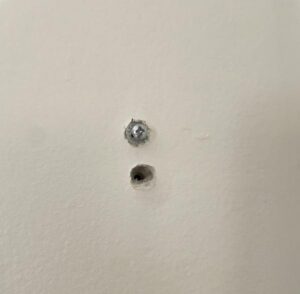
This is the quickest guide I can write to help you repair small holes in drywall.
A small hole would be anything smaller than a quarter.
Even with all of my tools and experience this is still the method I used in my last rental before I moved out.
I am not affiliated with any products in this post, its just what I used and like to use.
I told you I am keeping it simple.
You can buy this from Home Depot, Lowes, or Amazon and it is produced by 3M.
I recommend this applicator because it is a sponge, putty knife and spackle compound all in one without any parts to lose.
With a utility knife or your fingers I want your pull off any loose bits or jagged paper edges.
Make the hole as uniform and clean as your can before trying to patch it. This will make the next steps considerably easier.
Knead the tube with your hands to mix up the spackle a bit. This will help it soften and will also help with a more consistent application.
Now remove the cap with the sponge and squirt the spackle compound directly into the hole, or put a small bead on the sponge and pat it onto the surface.
Do what you think will work best for your wall.
If you have a large or deep hole I would recommend applying the compound in thin layers allowing each layer to dry before adding another. Otherwise you may just end up stuffing wet spackle into the wall or the spackle may crack when it dries.
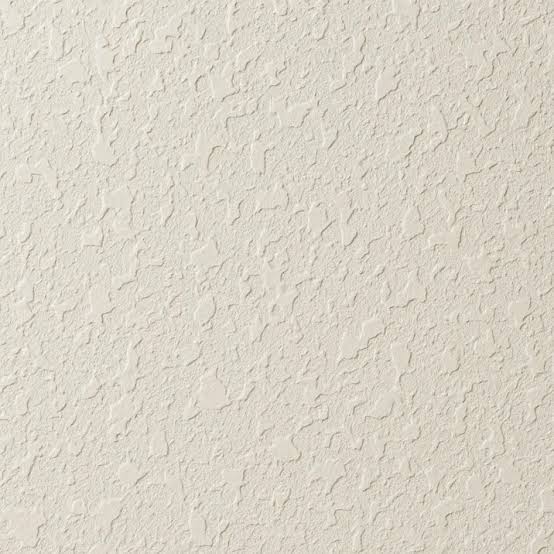
While the spackle is still soft you will want to use either the blade end or the sponge attachment to texture the repair to match the existing wall.
The compound is very thick and can be shaped decently well. If you can’t quite get the wall texture or the putty knife is too frustrating to use don’t be afraid to use your finger to get the right texture.
At some point you just need to stop touching it and let it dry.
Get it good enough, let it dry, then add a little more at a time until it looks the way you like.
Just remember that you do not have a sanding sponge and if you use too much spackle there will be a little white nipple on the wall that will be just as noticeable as the hole was.
The spackle dries to a greyish white, if this is not the color of your walls then you will need to paint the repair.
If you do not know what color your walls are or do not have any spare paint you can follow my “How to Match Paint in your House” guide.
One product for a range of solutions.
Don’t over complicate your life.
I would give a word of warning. The applicator states that it can be used for holes up to 3 inches in diameter. I would not recommend using this product for anything over the size of a quarter. Once a hole gets above a couple inches you are going to want a more substantial repair such as true spackle or a patch.